An oracle, reversed
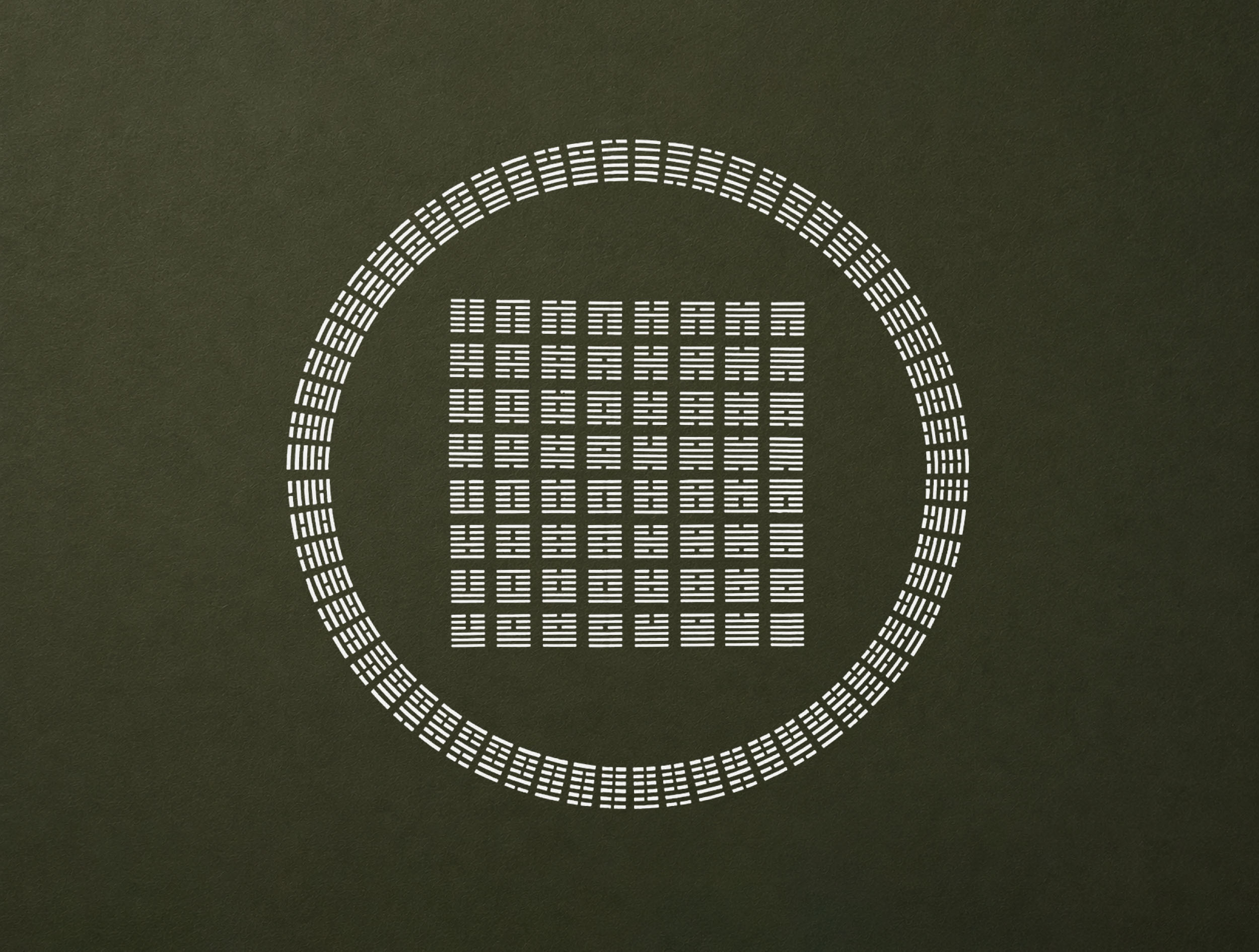
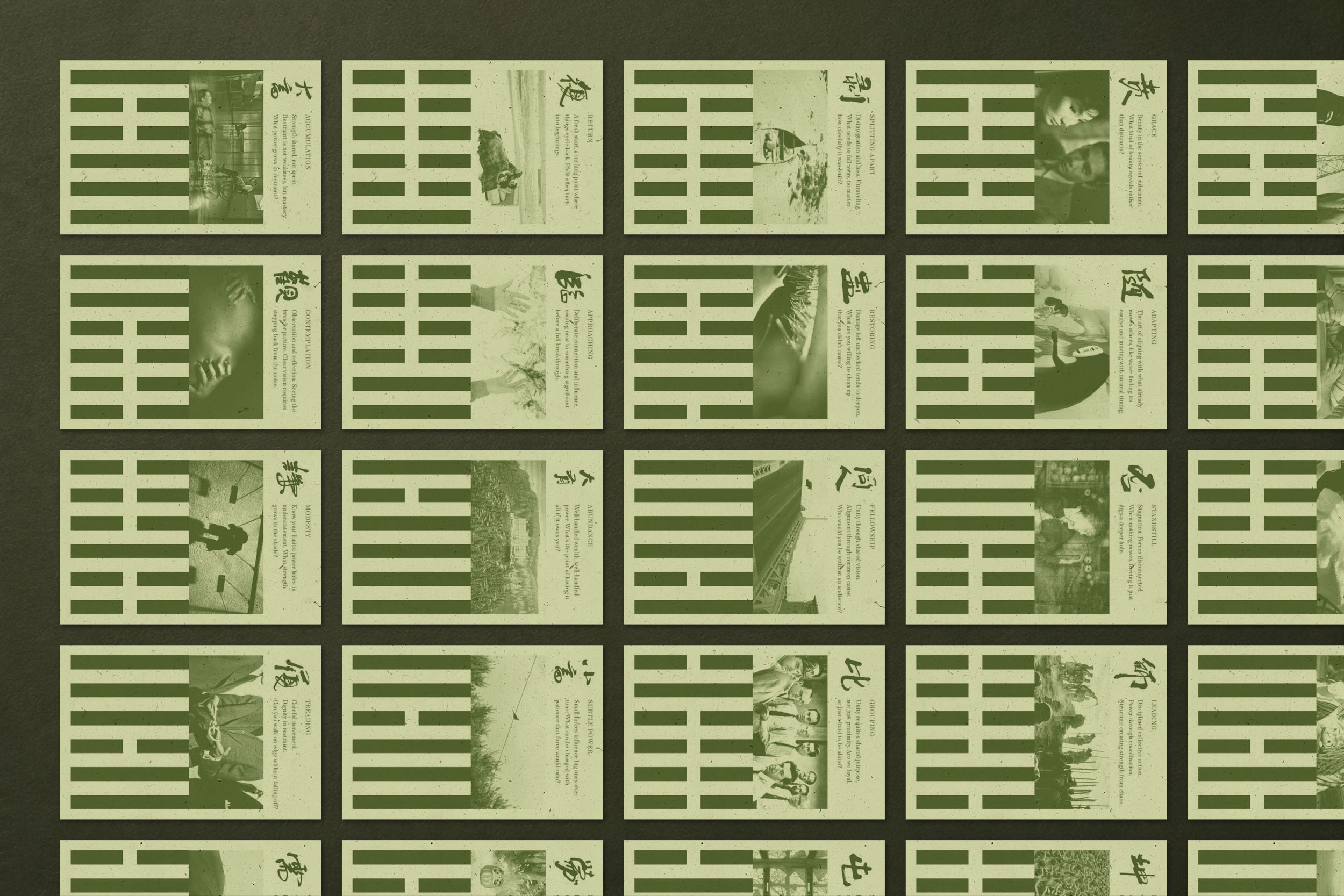
The I Ching is an ancient Chinese text that uses 64 hexagrams to describe the patterns of change. Traditionally it's consulted as an oracle: you ask a question, you read the answer back into your life. Here that loop is reversed. The hexagram arrives unrequested, addressed to someone who didn't ask, and the recipient has to do the interpreting.

The cards
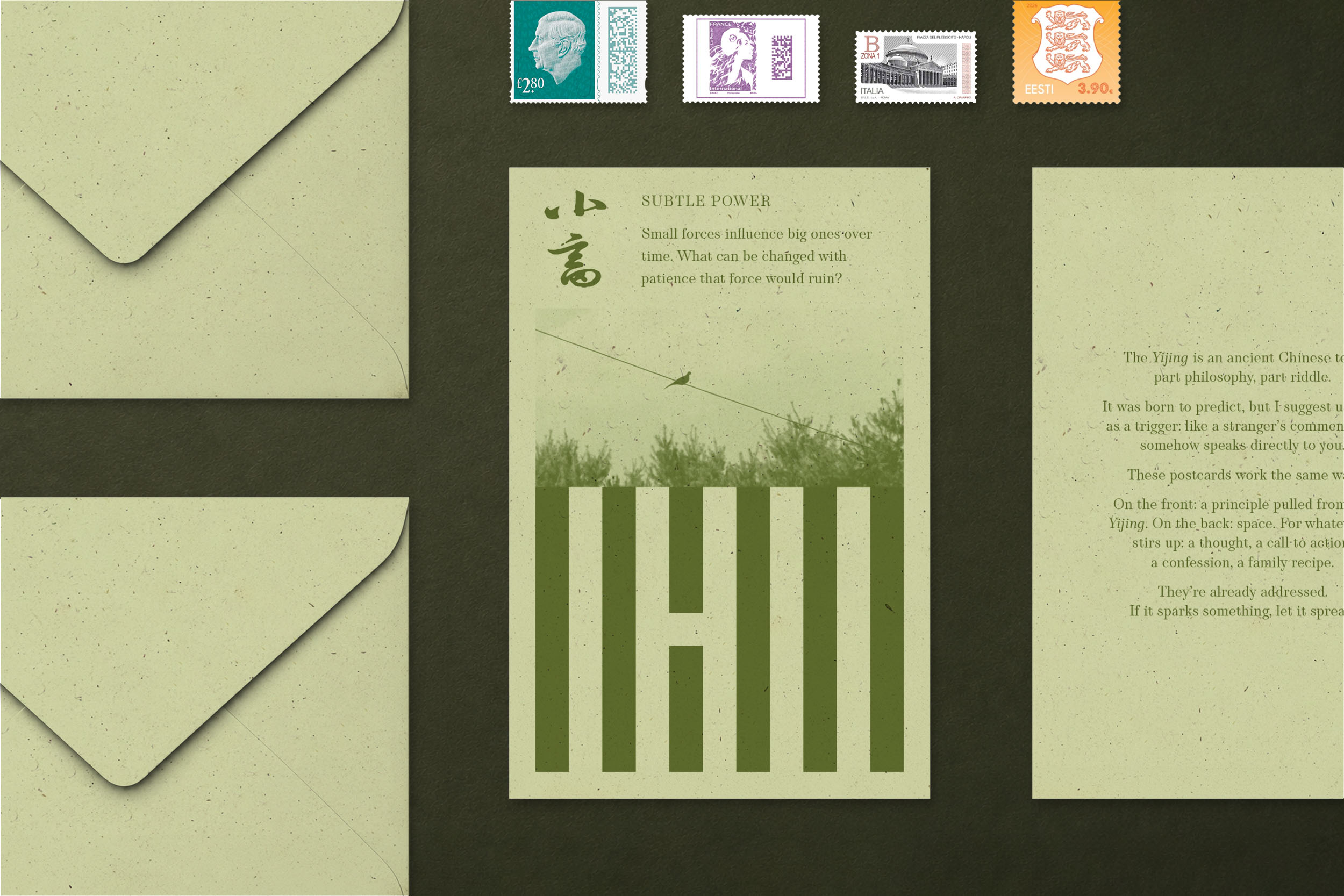
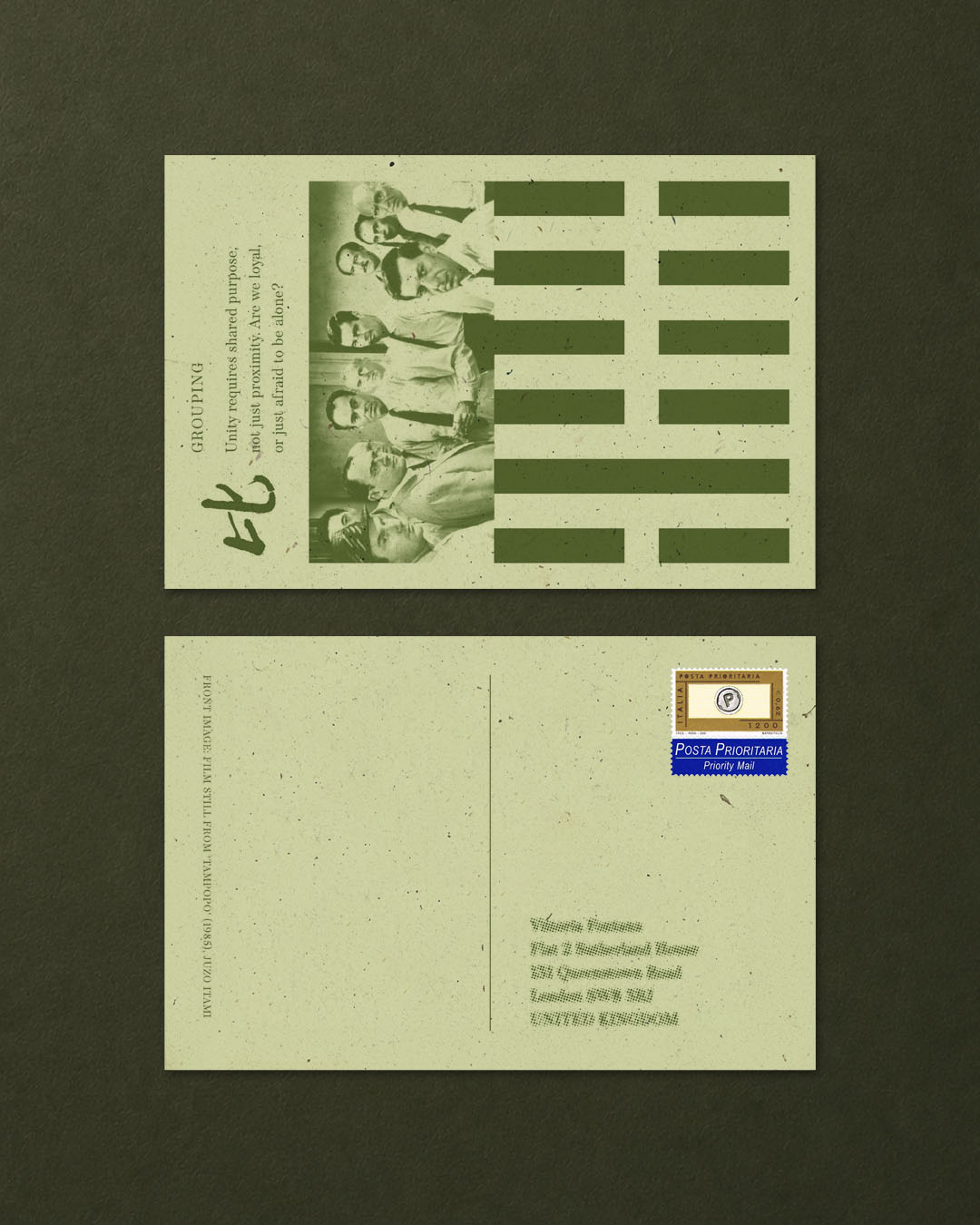
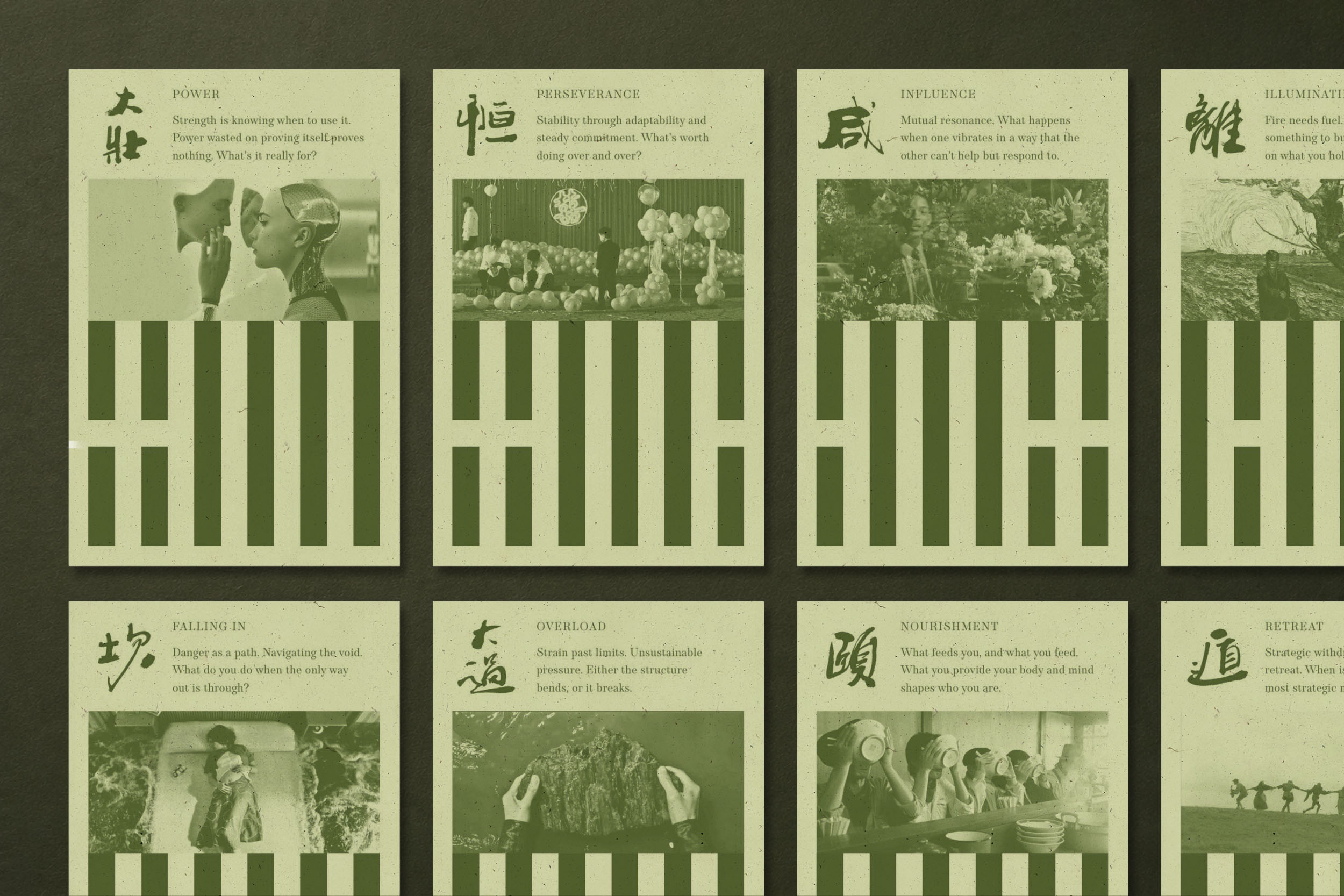
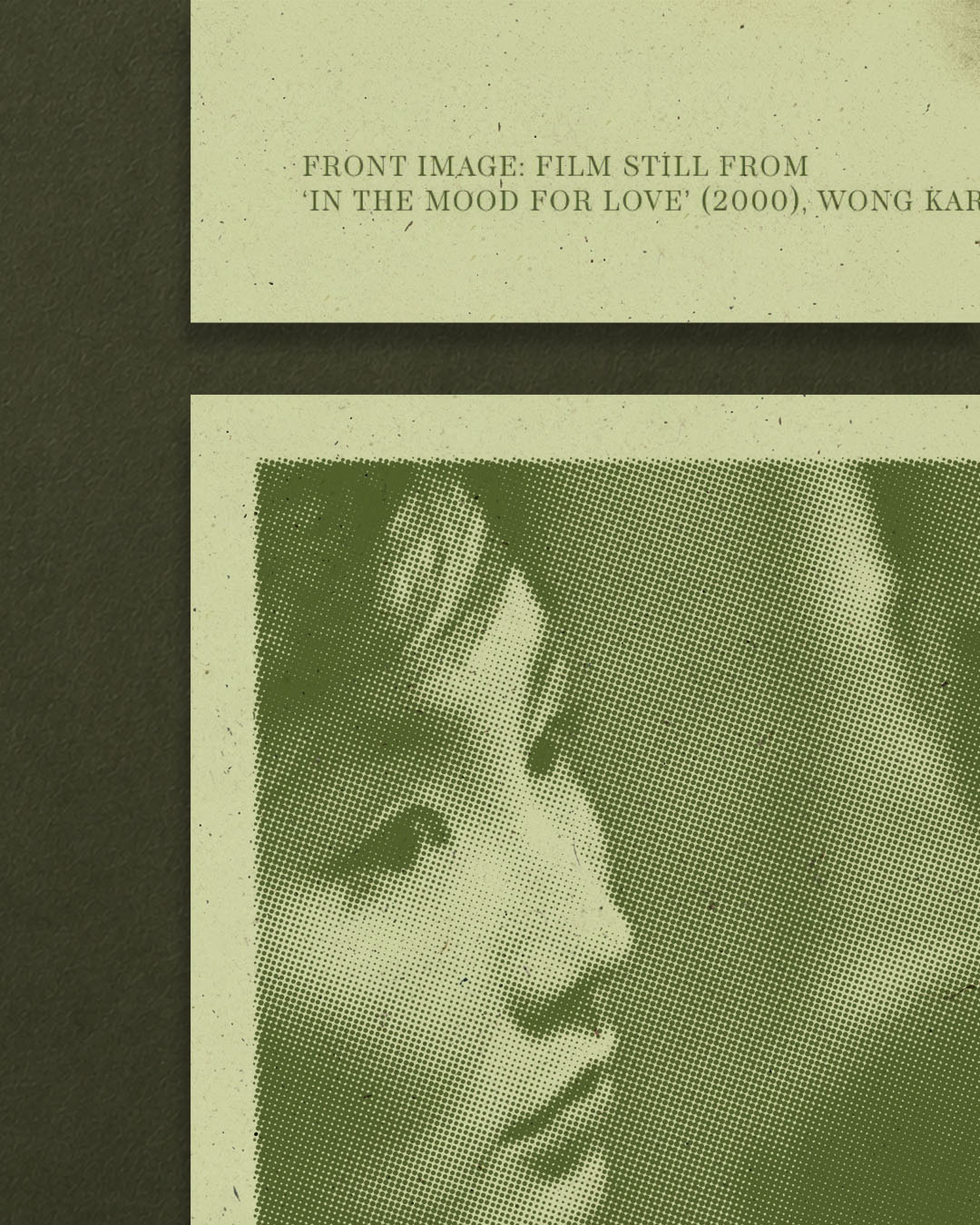
On the front: the hexagram, its Chinese character, a one-word principle in English, a short interpretation, and a shot from a film. Each film was chosen because, somewhere in it, the meaning of the hexagram surfaces. On the back: the already filled in address and space to write.

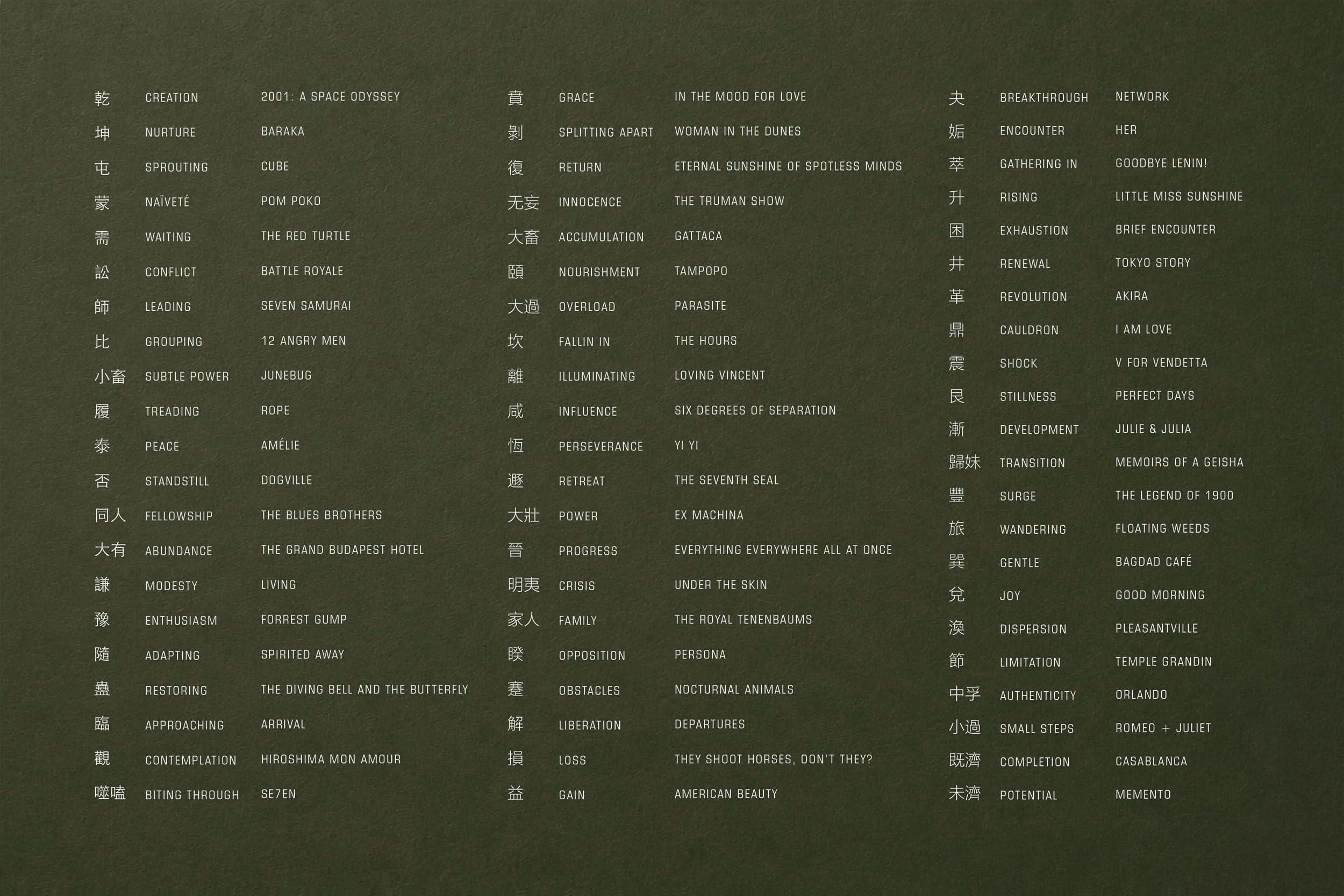
A network of strangers
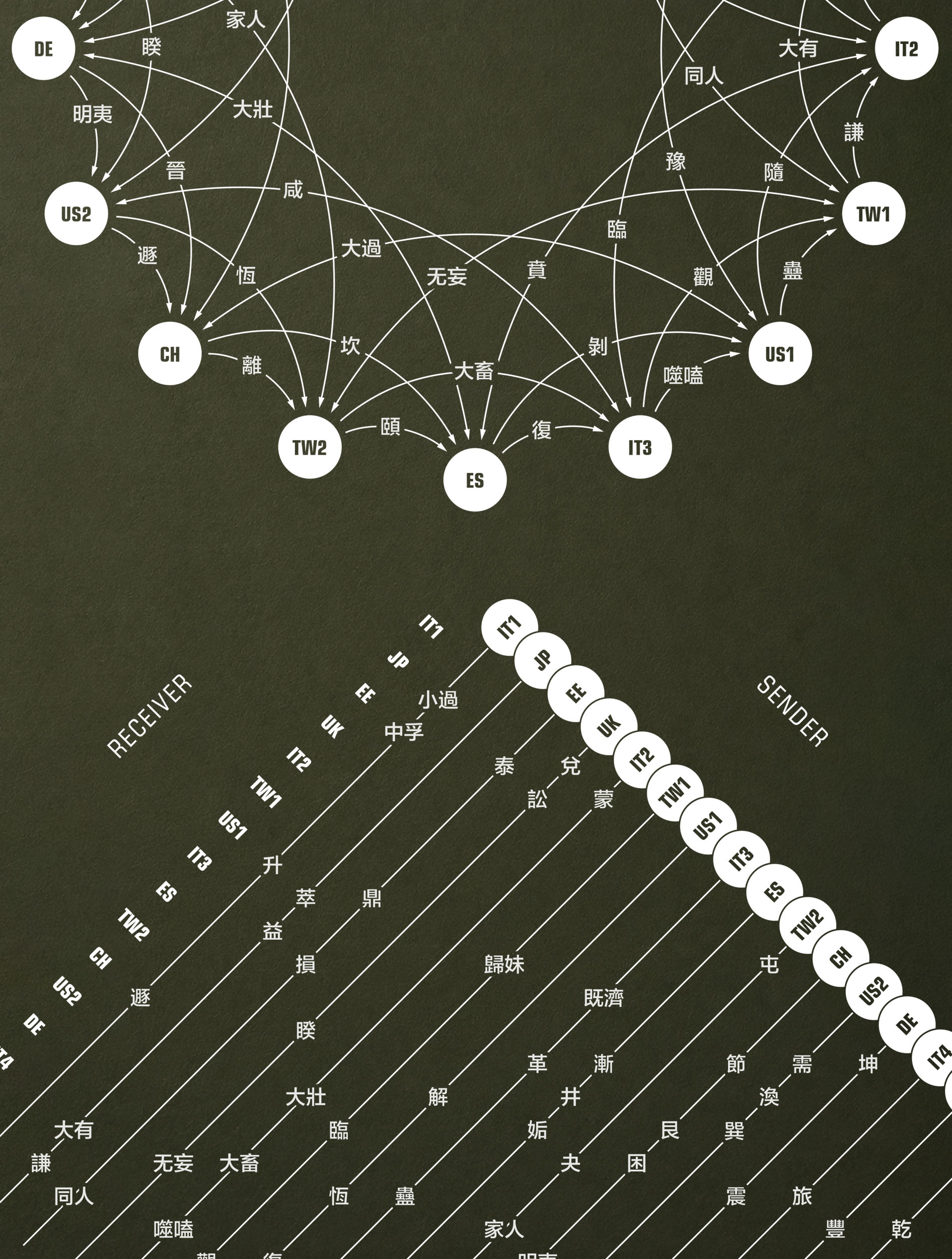
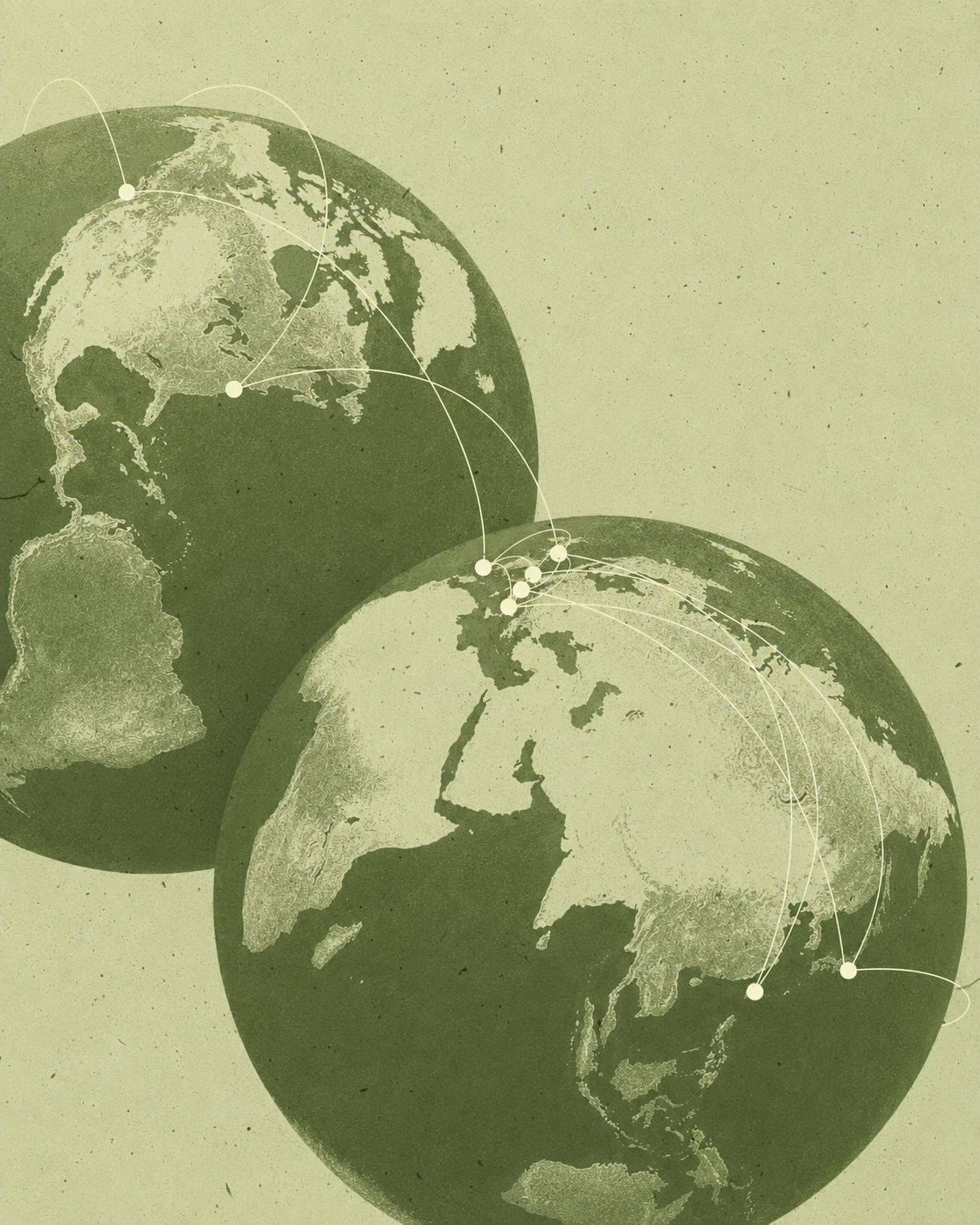
I designed the cards and mailed them in an envelope to 16 friends. They wrote the messages and posted them onward. Nobody chose where their cards went; nobody knew why theirs had come. A postcard is the right object for this: private enough to carry a message, public enough to be read along the way whoever briefly handles it. Some have landed. Some are still moving. Some, maybe, won't make it.