Qualitative Research
Interviews, diary studies, field observations. The kind of understanding you can't get from analytics alone — what people do, what they say, and the gap between the two.
Workshop Moderation
Structured sessions that move a room from opinions to decisions. Brainstorming with constraints, co-design with end users, alignment across departments.
Visualization
Making abstract findings tangible — personas, journey maps, scenario illustrations, data charts. The faster a stakeholder can see an insight, the faster they can act on it.
Forecasting
Trend analysis, scenario building, design fiction. Tools for thinking about the medium and long term without pretending to predict it.
In Practice
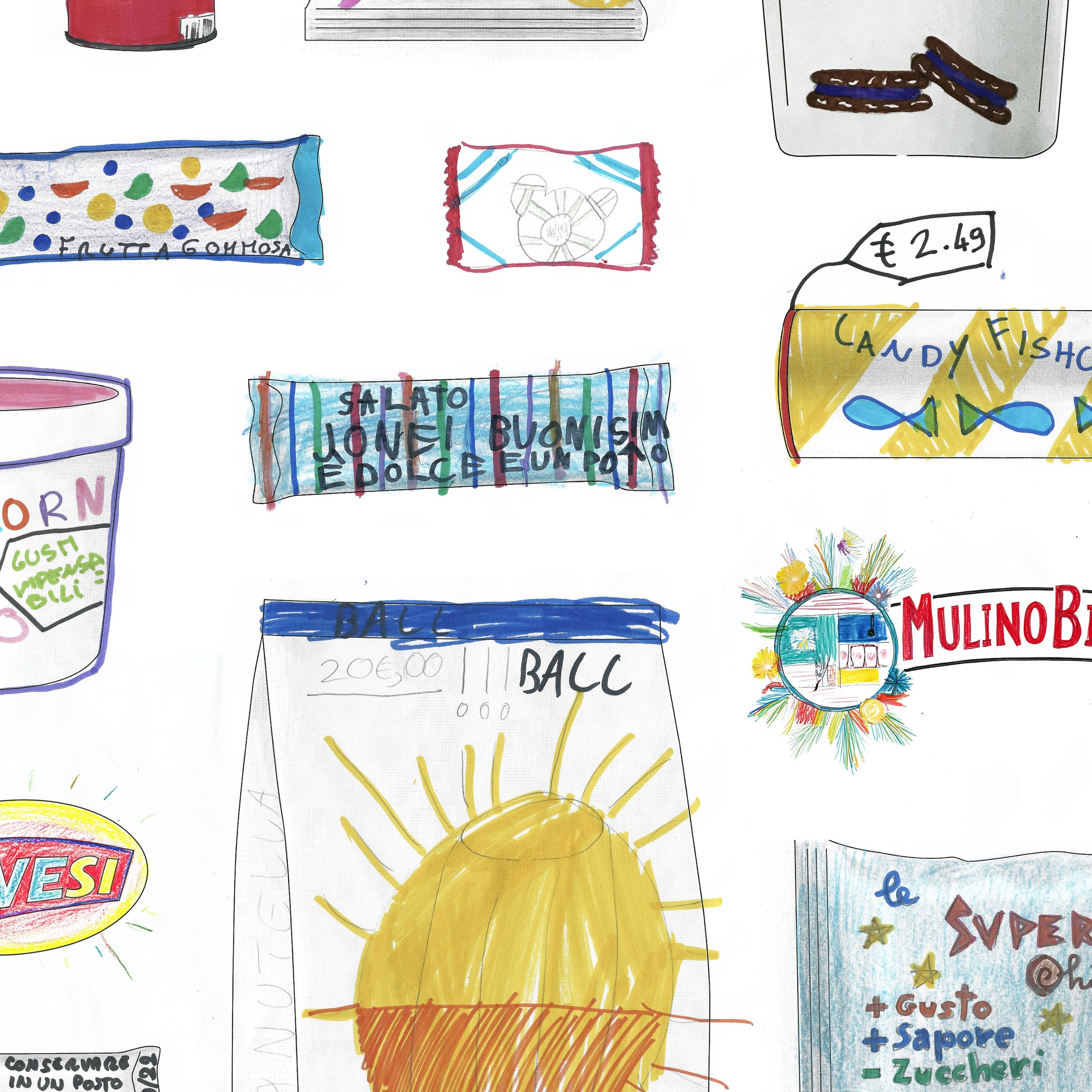
Reimagining Snacks
How can children's innate creativity inspire the imagination of unexpected new treats?

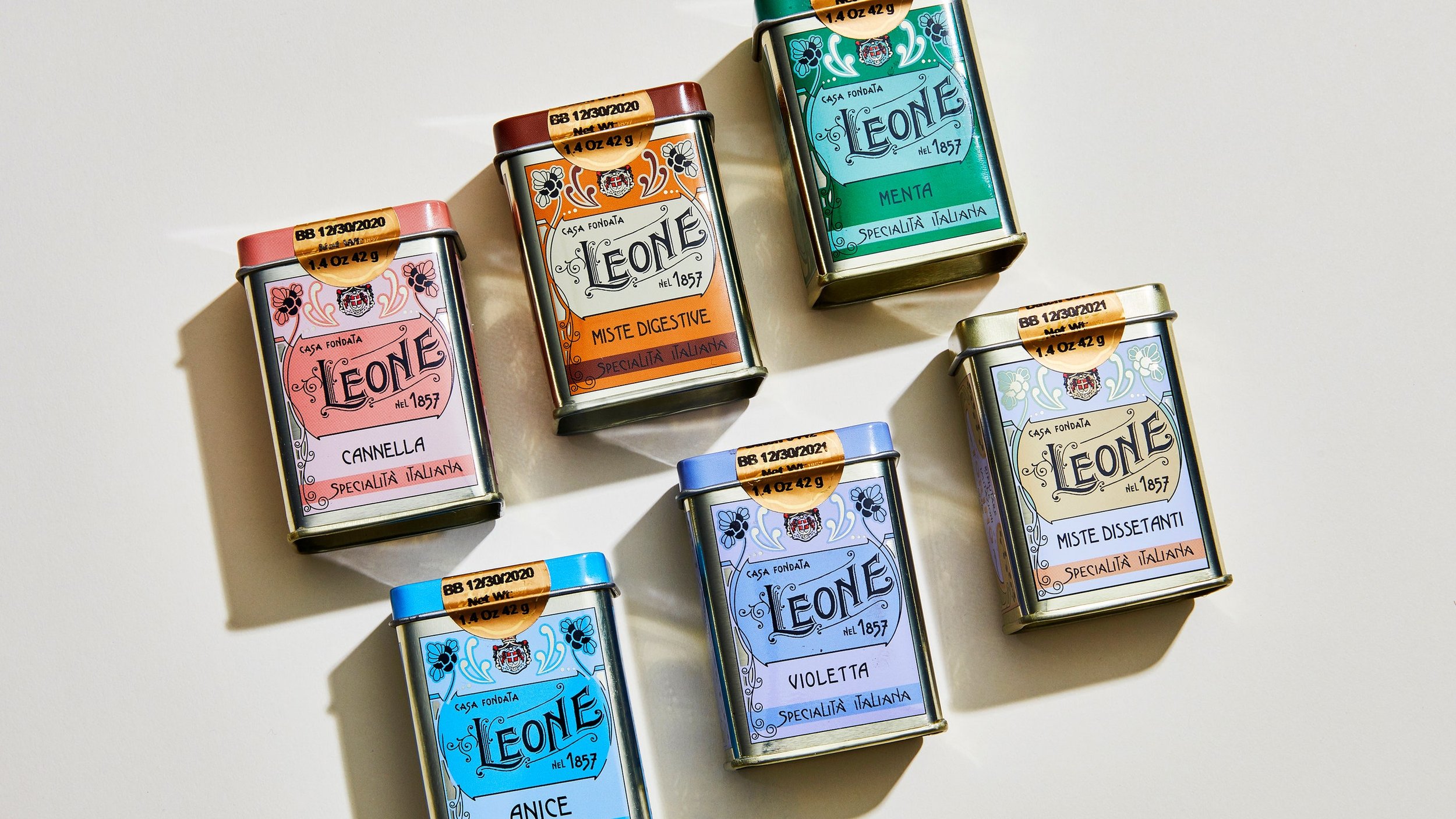
A Candy with Baggage
How can heritage confectionery, built on a loyal following, connect with a new generation?

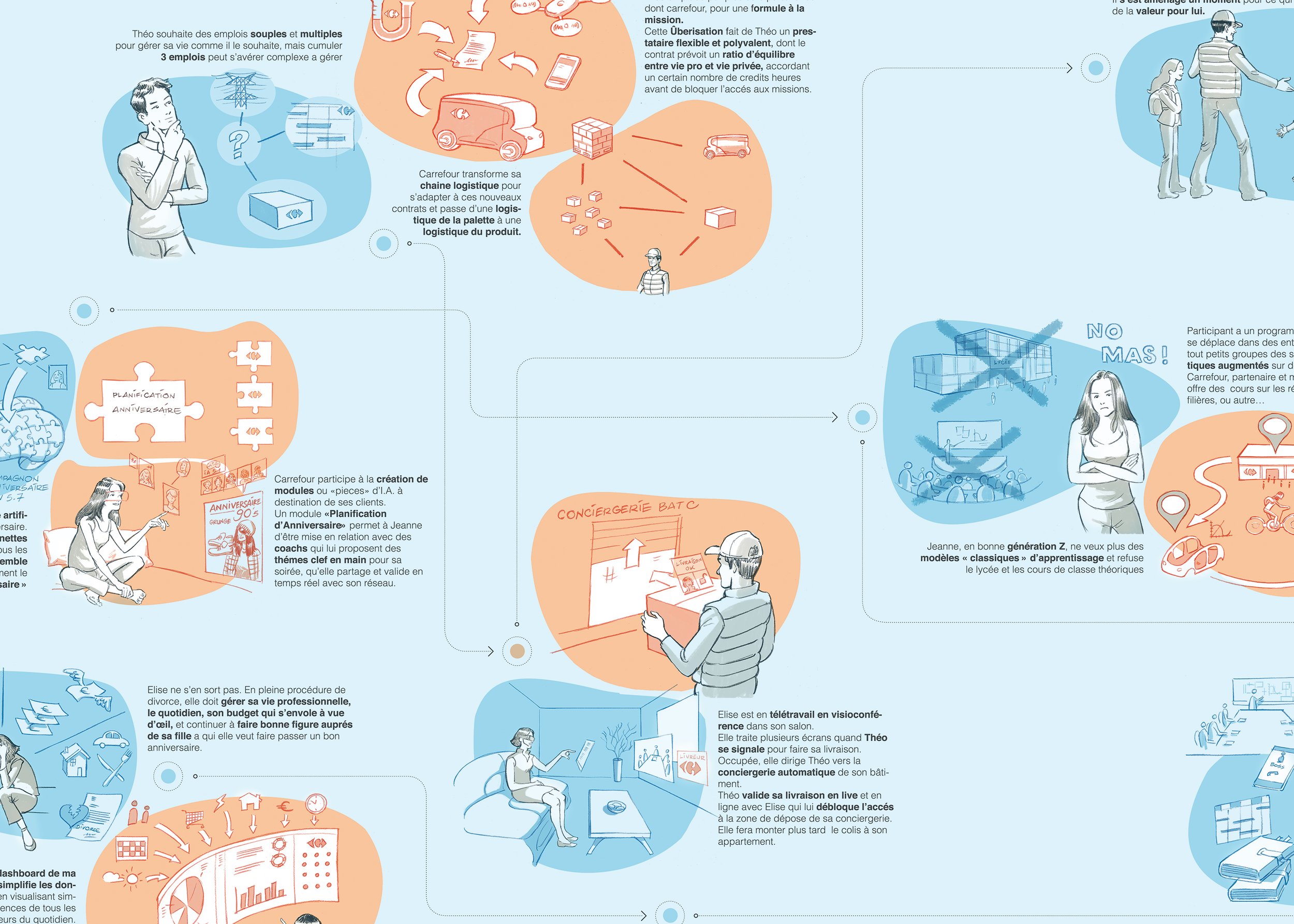
Future-Forward Groceries
Can speculative fiction help shape a long-term vision for a complex company?

These case studies focus on specific activities from larger engagements. Happy to walk through the full picture.